Tailless Aircraft - It was supposed to be a budget flying bus, but the Second World War completely buried the project.
In the 1930s, Soviet engineers tried to create a "flying wing" aircraft. As a result, they created the world's first glider, designed according to the project - the KHAI-3.
Tailless Aircraft
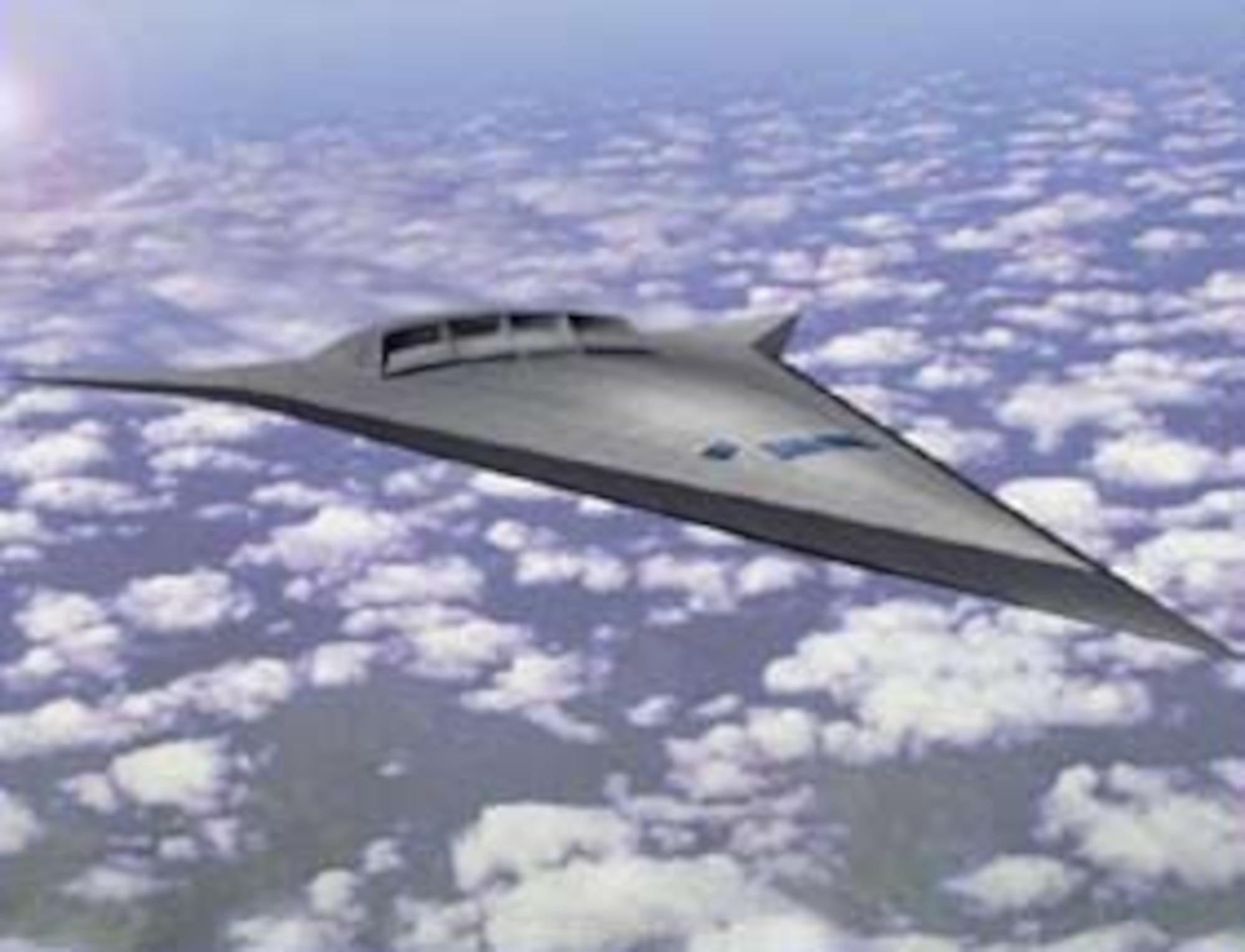
"The advantage of a 'tailless' aircraft is the reduced weight of the aircraft and the reduction of air pressure during flight. Despite this benefit, the controllability of the machine decreases during the flight," says Dmitry Litovkin, editor-in-chief From the magazine "Independent Review".
Northrop X 4
According to him, engineers at that time believed that such small planes could turn into "flying buses" - mass and cheap air transports, which can be freely used by people. Therefore, the USSR ordered aircraft manufacturers throughout the country to create a glider that would be able to carry up to 1 ton of cargo or 10 passengers at an average speed of 120 km/h.
"An 'eatless' aircraft with a 'flying wing' system is a slow moving machine. It was thought that this project will be used to create a budget machine that uses less fuel and does not respect the conditions of take-off and landing " added the expert.
Technically, the KHAI-3 looked like this - twelve passengers sit one after the other in two rows. Each passenger is placed in a type of capsule or cockpit.
The fuselage itself is made according to the traditional "flying wing" scheme with crew, payload, fuel and aircraft equipment placed in the main wing structure.
Dec. 12, 1953
At the same time, KHAI-3 was only 5.8 meters long and its engine power was only 110 hp. So, with a full load of two tons, the plane could only fly at a speed of up to 130 kilometers per hour.
The first tests of the KHAI-3 prototype were planned for September 1936. The aircraft showed good stability and control under full flight load.
"The conclusion of the commission on KHAI-3 was good, but it was decided to improve and strengthen the machine - to put another engine and modify the airframe to increase the maneuverability of the aircraft," says Litovkin.

According to him, an improved version of the plane would appear at the end of the 1930s, but due to lack of funds and problems in the economy, the project was put on hold until better times. But then the Second World War began and the leadership of the country could not see the construction of the mass transporter.
On The Pros And Cons Of The \
Airplanes of this type were not part of the world's aviation, but they were widely tested in military competitions.
In particular, Germany developed in 1943 the world's first large "flying" aircraft - the Horten Ho 229 fighter-bomber with a jet engine. After the war, the designers of this plane moved to Argentina and produced several similar models, but they did not exceed one prototype.
Since the 1930s, "flying wing" machines have been intensively tested and developed by a US Northrop. The company's first prototypes of this program were shown during the Second World War, when the Northrop N-1M 1 bomber and the P-56 Black Bullet fighters came out of the forest. Both projects were stopped at the project stage due to some shortages.
American manufacturers succeeded only with the "flying wing"' in the late 1970s with the appearance of new aircraft components that allowed manufacturers to use hacking technologies in the aircraft.
File:x 31 Quasi Tailless Over Edwards Afb.jpg
Nowadays, only the military resorts to this airframe scheme, while military designers are interested in a high-quality flying aircraft, because it is more suitable for the transport of people than a "flying wing".
Our website and social media accounts are at risk of being banned or blocked, due to the current situation. So, to keep up with the latest content, just do the following:
If you use any of Russia Beyond's content, in whole or in part, always provide a valid hyperlink to the original article. This article requires additional information to view. Please help improve this article by adding articles to the list. Items not found can be challenged and removed. Find sources: "McDonnell Douglas X-36" - News · Newspapers · Books · Scholarly · JSTOR (July 2010) (Learn what this message pattern is and how)
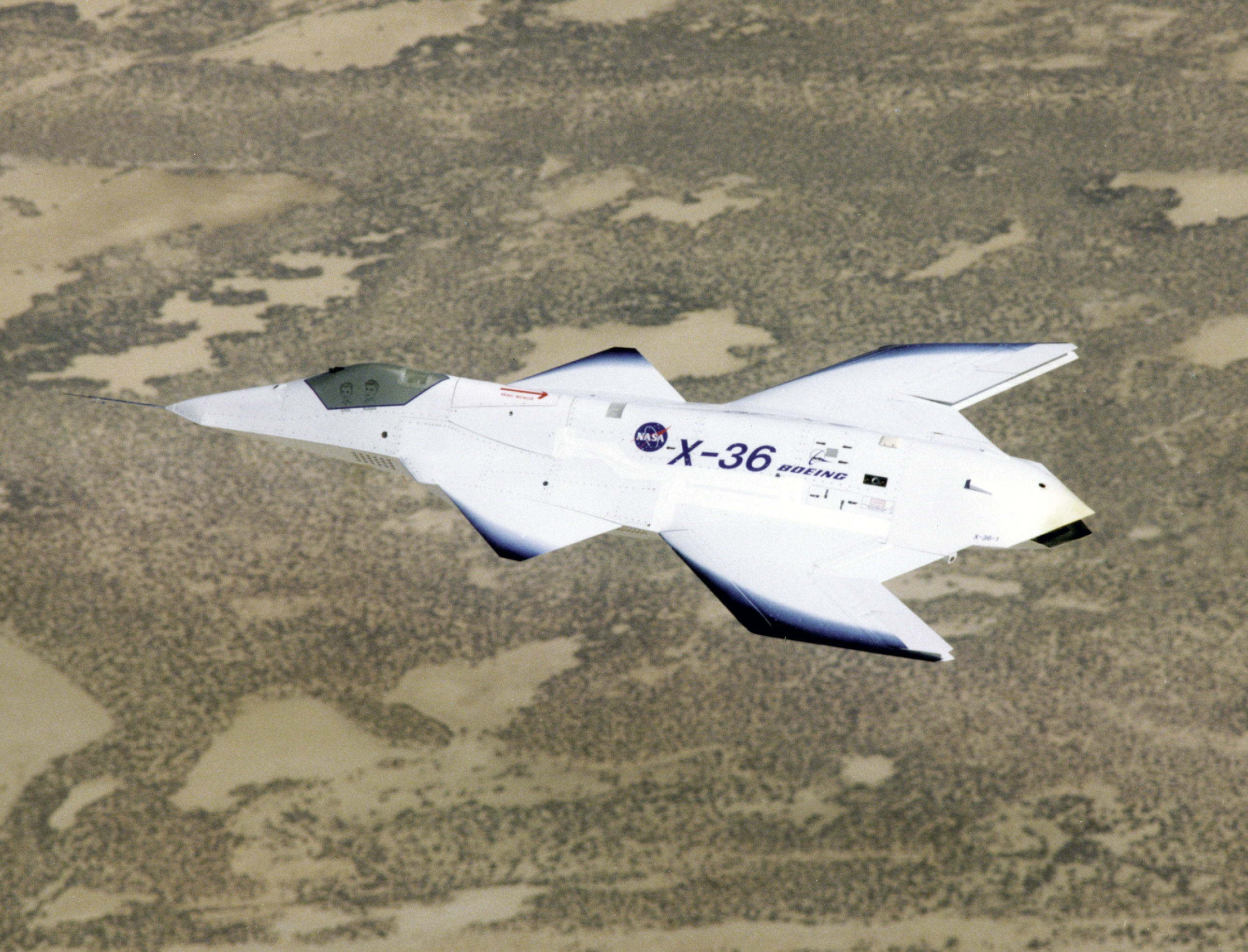
The McDonnell Douglas (later Boeing) X-36 Tailless Fighter Agility Research Aircraft was an American stealth jet designed to fly without the traditional tailless fighter found on most aircraft. The design is designed to reduce weight, drag and radar cross section, and increase range, maneuverability and survivability.
A Tailless Glider Which Looks Like A Bat In Flight Has Been Flying Over Edmonton And Northern Alberta In Tests Seeking Information For Development Of The Flying Wing
The X-36 is built to 28% the weight of a viable fighter jet, and is controlled by a pilot in a ground-based virtual cockpit with a view provided by a video camera mounted in the plane's canopy.
For control, a canard at the front of the wing is used along with split ailerons and a forward thrust vectoring nozzle for directional control. The X-36 was unstable in both axis and axis, so an advanced digital fly-by-wire control system was used to provide stability.
It first flew on 17 May 1997, making 31 successful reconnaissance flights. It has held up very well, and the project is said to have met or exceeded all project objectives. McDonnell Douglas joined forces with Boeing in August 1997 while the test program was underway; The plane is sometimes called the Boeing X-36.
The X-36 has high maneuverability that would be suitable for use as a fighter. Despite its merits and a very successful test program, there are no reports related to the continuation of the X-36 or any design received as of 2017.
Boland 1912 Tailless Biplane
Secret projects flying wings and tailless aircraft, tailless cat names, tailless, tailless rat for sale, tailless shirts, tailless whip scorpion pet, tailless cheer bows, tailless whip scorpion, tailless aircraft design, tailless durag, tailless dog diapers, tailless whip scorpion for sale


0 Comments