Taildragger Aircraft - So you want to fly tailwheel and avoid all the twists and turns that some say are necessary?
Well, you've come to the right place. If you want to make the transition to flying tailwheel aircraft easier, I'll explain two simple skills you need to master. You can also practice these skills while flying the plane using the training wheel (nose device).
Taildragger Aircraft

Remember that airplanes fly the same no matter where the wheels are. The only difference is when the planes interact with the ground.
Conventional Gear (ebook Eb)
Airplanes are aerodynamically designed so that if left to their own devices, they will roll against the wind, and while the nose wheel fights ground attitude, the tail wheel does not.
Contrary to popular belief, you can practice both of these things in a nosewheel airplane before you get into the tailplane. You probably already do them.
Remember, you are driving a weather vane. If the wind is strong enough, the plane will fly unless it locks up or the pilot takes measures to prevent it from falling.
If you are a pilot, you have to control their movements. Always be aware of the wind, from landing the plane to attaching the mounts to the wheels.
Aerotrek Light Sport Aircraft, Aerotrek A220 Taildragger, A240 Tricycle Gear, S Lsa
The rudder is obviously the most effective control surface to prevent the aircraft from blowing into the wind, but elevators and lights play a vital role, especially when the wind is behind the aircraft. The downlift prevents the tail from being lifted in a gust of wind and pushing the engine into the ground.
Similarly, a downwind fan will help reduce the chance that the tailwind will lift the wing and push the aircraft into the nose and opposite wing.
I've found that when the wind is down, it's easier to move the rod downwind. For example, if the wind is coming from your right rear, move the stick forward and left. This lowers the right aileron and elevator, reducing the chance of the tail or right wing being lifted into the wind. Similarly, if you are turning the plane and the wind is coming from the northeast, you will move the stick forward and to the right in the direction the wind is blowing.
When the wind is heading toward the aircraft, it acts similarly for lift, but it flows in the same direction as landing in a headwind. Specifically, if the wind is coming from the southeast, pull the stick back, help the tail lay on the ground, move the stick to the left, into the wind, raise the left light, and raise the wings. . bottom. As the plane changes position during taxi, it is important to adjust the controls accordingly. When you arrive and line up on the hook, your club should be back and into the wind if there is a crosswind.
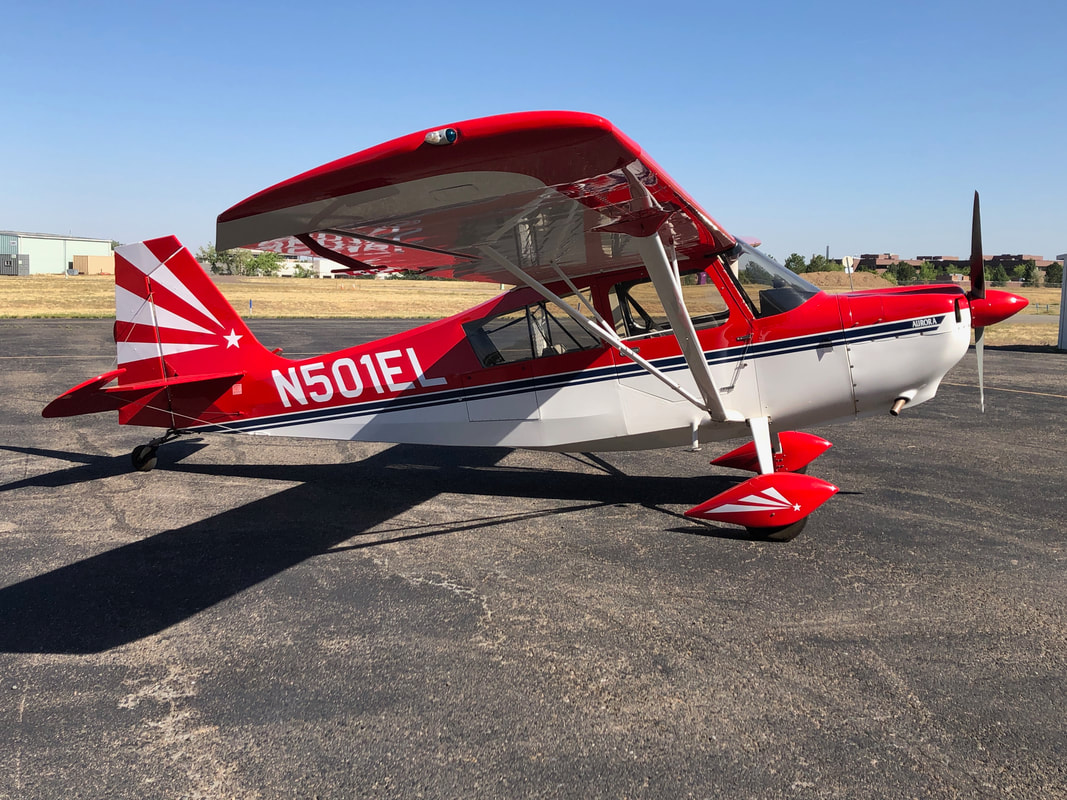
Bellanca 7kcab Citabria Taildragger Light Aircraft At A Grass Airfield In The Uk Stock Photo
Engine power must also be considered, as a sudden surge in power creates enough prop explosion to lift the tail of the aircraft and push the nose into the ground; So the key is to be aware and 'fly the plane'.
When you first start flying a tailwheel airplane in really strong winds, you might want to keep it on the roll, but practice makes perfect, and you can do this while flying a nosewheel airplane.
You have to be the master when landing on a direct approach to the runway. We'll just call it a "straight and straight" landing.
However, if you've developed some sloppy landing habits in a nose-gear airplane, you should consider practicing a direct landing before getting into a tail-wheel airplane.
Design Process: Landing Gear, Part 2
If, on the other hand, you've mastered cross landings and your technique is good, you may have very little trouble transitioning to a tailwheel plane.
It's been years since Mike asked me to watch him on the Aeronca Champ. We were at Deck Airpark, a short grass field my dad owned about 5 miles southwest of Raleigh-Durham (RDU). I sat in the back and Mike led us to the end of the field, led the race and lined up on the track.
He added power and turned his attention to directional control as the champion accelerated. It wasn't long before we were airborne. Mike climbed about 800 feet and stayed in style. Entering downwind, he began to slow the plane, just as he was used to with the Cessna 172 he had been flying.

His shift to the base and then to the end was good. He was flying by plane as usual. One more plane and Mike was undaunted. He made it to the finals and then came out. He brought the champion closer to the ground, but didn't touch it. He held the champion on the ground and waited for him to stand, so all I had to focus on was his guidance. After all, that's the only difference in landing a tailwheel plane. So I just watched. It was headed straight for the runway and was heading straight for the landing strip. I couldn't do anything to make it better, so I didn't say anything. As the airspeed faded, we descended and taxied in a straight line. I don't know if I was expecting a challenge, but nothing happened. On the lawn, the giant slowed down rapidly.
Cessna 140 Tail Dragger Editorial Photo. Image Of Continental
"Okay, let me do it myself," he said as he turned the plane around. I laughed and said, “You did it yourself. Take me back to the hangar.
Admittedly, his first landing was a bit easier as we were on grass and there was no crosswind, but he was confident and skilled in crosswind landings so he wasn't worried at all. prevent straight and straight landings. My dad used to brag, "Mike won the championship one day and the downhill the next." Rear-wheel planes clearly didn't scare Mike. He's owned several planes over the years, flown them dozens, and never had a problem.
I share this experience to show you that once you've mastered straight and straight landings, switching to a tailwheel glider is less inspiring...even in a crosswind.
A lot of things you read on the internet would have you believe otherwise. Expressions like "push the rudder downwind to align with the runway and lower the wind vane to compensate" sound harsh and difficult.
Taildragger Technique: Wheeler Landings
There's only one difference between a tailwheel and a nosewheel if you land before checking to see if you're going straight and straight. The nose-wheel plane will move it slightly to the side, and the tail-wheel plane will act like it wants to dance when it starts pirouette. When you convince the plane that you really didn't want to dance, your sadness will be put to rest.
If your flight instructor insists that you learn proper landing techniques, and you do it regularly, you can expect to be able to smoothly transition to a tailwheel airplane like my brother.
You'll know your plane is ready to roll when landing in a strong crosswind, but don't let it land until it's straight and square. That's how all planes want to land. I miss my favorite flight instructor very much. A good teacher is friendly and approachable, communicates expectations clearly, and is patient with the student's early mistakes. This teacher combines all these qualities. It was my old, trusty 1946 Aeronca 7AC Champ. Sometimes, if you're listening correctly, the plane will make it clear exactly what it expects from you.

Every pilot can remember a moment when they closed their eyes and felt the control of the plane close to the top. The author believes that this is the attraction of flying tail draggers. Photo by Eric Dumigan
Skyreach Bushcat Taildragger
Flying is fun, but not fun if it's too easy. All planes have personalities, but some are real characters. Pilots are rewarded for learning and adapting to aircraft that require skill; A pilot generally reacts to the mechanical feedback from the aircraft like a dog would to scratching behind the ears. Every pilot can remember a moment when they closed their eyes and felt the control of the plane close to the top. There is the allure of flying tail draggers.
Pardon the vernacular, but a "taildragger" is generally defined as any aircraft with the tail wheel mounted at the right end. It was called "conventional landing gear" because early "aircraft" designs had small, hot engines that required huge, slow-spinning propellers. A long landing gear leg was required near the front to keep the propeller off the ground. As we can see, this configuration has some disadvantages.
As technology advances, we tend to lose old skills and acquire new ones.
Taildragger dragger, hot wheels taildragger, taildragger towbar, cessna 172 taildragger for sale, learning to fly a taildragger, best taildragger aircraft, taildragger aircraft for sale, the compleat taildragger pilot, taildragger tug, compleat taildragger pilot, taildragger, taildragger training


0 Comments